
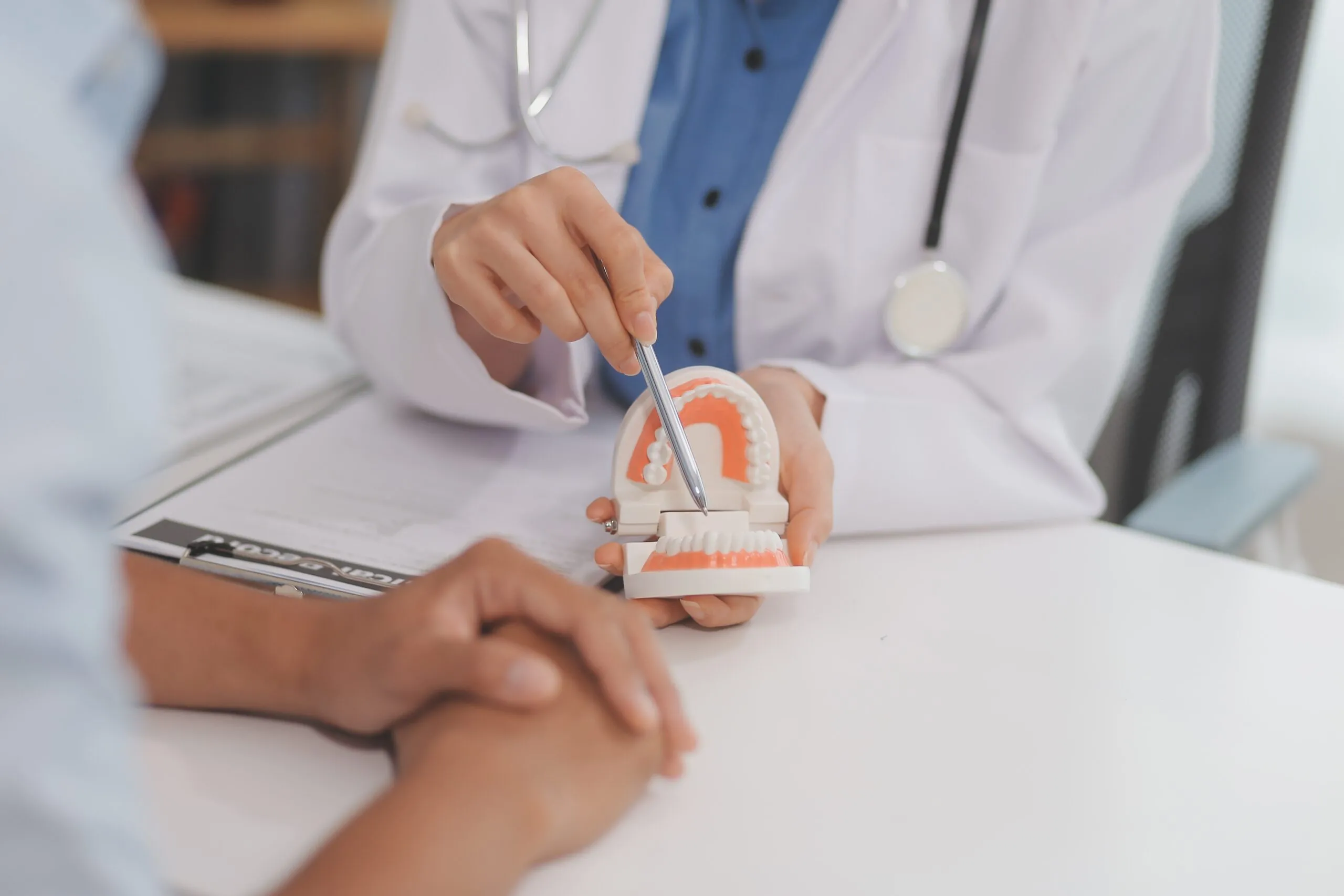
When you close your mouth and your front teeth don’t meet, you’re likely dealing with an open bite. It’s more common than you might think, and it affects how you eat, speak, and feel about your smile.
An open bite is a type of malocclusion, or misalignment of the teeth, where a visible gap remains between the upper and lower teeth even when the jaw is fully closed. This gap prevents the teeth from making proper contact, which affects both function and appearance. Open bite treatment corrects this gap and restores normal bite alignment.
A Board-Certified Orthodontist at Imagine Orthodontic Studio can diagnose this condition and recommend the right approach for correction. While many people focus on crooked teeth or crowding, bite issues like open bites can have a bigger impact on your daily life than cosmetic concerns alone. Knowing the causes, risks, and how open bite treatment can help is the starting point for getting the care you need.
What Is an Open Bite? Understanding This Common Orthodontic Condition
Open bites are classified as anterior (front teeth don’t meet) or posterior (back teeth don’t meet), and each type affects oral function differently. Knowing which type you have helps your orthodontic specialist determine the best path forward.
What Is an Anterior Open Bite?
An anterior open bite is the most recognized form. Your back teeth touch when you bite down, but your front teeth remain separated by a gap. Biting into foods like apples or sandwiches becomes frustrating, sometimes impossible. This is the type most people picture when they hear the term “open bite,” and it’s also the most visible. Kids, teens, and adults all develop anterior open bites, though the causes differ by age group.
What Is a Posterior Open Bite?
A posterior open bite is less common but equally problematic. Here, your front teeth meet normally, but your back teeth on one or both sides don’t come together. Chewing food thoroughly becomes difficult because the molars can’t do their job. This type is harder to spot on your own since the gap isn’t visible when you smile, but a Board-Certified Orthodontist can identify it during an evaluation.
According to the American Journal of Orthodontics and Dentofacial Orthopedics, open bites affect roughly 3.5% of the population in the United States, making them less common than crowding or overbites but still a condition orthodontic specialists see regularly in both children and adults.
Open bites can develop in children as young as toddlers and persist into adulthood if left untreated. The good news? Whether you’re a parent noticing your child’s bite looks off or an adult who’s lived with this condition for years, effective open bite treatment options exist for every age group. Imagine Orthodontic Studio treats families across all ages, and Orthodontics is for everyone.
What Causes an Open Bite? Common Causes and Risk Factors
The most common causes of an open bite include:
- Thumb sucking or prolonged pacifier use
- Tongue thrusting
- Genetic and skeletal growth factors
- TMJ disorders
- Chronic mouth breathing
Most open bites develop from a combination of these factors. Some are preventable. Others are simply part of how your body developed. A Board-Certified Orthodontist can help pinpoint which factors are at play in your specific case.
Can Thumb Sucking or Pacifier Use Cause an Open Bite?
Picture a three-year-old who still falls asleep with a thumb in their mouth every night. That constant pressure is doing more than soothing them. It’s pushing the front teeth outward and preventing them from erupting properly. Childhood habits like thumb sucking and pacifier use beyond age three or four are among the most common culprits behind open bites. The longer these habits continue, the more pronounced the open bite becomes. Most children naturally stop these behaviors, but some need gentle encouragement to break the habit before permanent teeth arrive.
How Does Tongue Thrusting Contribute to an Open Bite?
Here’s a surprising one: you might be making your open bite worse every time you swallow. Tongue thrust happens when you push your tongue against your front teeth while swallowing, speaking, or even resting. Over time, this repeated pressure forces the teeth apart and creates or worsens an open bite.
Many people don’t recognize this habit because it feels natural to them. An orthodontic specialist can identify this pattern during an evaluation and may recommend therapy alongside orthodontic treatment to address the root cause.
Do Genetics and Skeletal Growth Play a Role?
Sometimes, open bites have nothing to do with habits at all. Your jaw might simply grow in a way that creates a vertical gap between your teeth. If your parents or grandparents had similar bite issues, genetics could be a factor.
Skeletal open bites occur when the upper and lower jaws grow at different rates or angles. These cases call for more involved treatment than habit-related open bites. That said, they’re absolutely correctable with the right approach from a qualified orthodontic specialist.
Can TMJ Problems Lead to an Open Bite?
Problems with your jaw joint can contribute to bite changes over time. TMJ disorders may cause your jaw to shift position, which affects how your teeth come together. In some cases, treating the TMJ issue helps improve the open bite, while other situations call for orthodontic intervention as well.
Mouth Breathing Changes How Your Bite Develops
Chronic mouth breathing, often caused by allergies, enlarged tonsils, or nasal obstruction, changes how your face and teeth develop. When you breathe through your mouth consistently, your tongue rests in a lower position, your facial muscles work differently, and your jaw grows in ways that promote an open bite.
Addressing the underlying cause of mouth breathing early can prevent or minimize open bite development in children. It’s worth bringing up with your child’s doctor or orthodontic specialist if you notice the pattern.
Why Early Identification Matters
The earlier you identify the habits or factors contributing to an open bite, the easier treatment becomes. For children, catching these issues during the growth years means orthodontic specialists can guide jaw development and potentially avoid more extensive treatment later. That window doesn’t stay open forever.
That’s why the American Association of Orthodontists recommends children have their first orthodontic evaluation by age seven. At this age, a Board-Certified Orthodontist can spot developing problems and determine whether early intervention would help. At Imagine Orthodontic Studio, these early evaluations give families a clear picture of what’s happening and what, if anything, needs to happen next.
Why Treating an Open Bite Matters: Health Benefits Beyond a Straighter Smile
Correcting an open bite improves chewing, speech clarity, tooth protection, jaw comfort, and confidence. While a smile you’re proud of is certainly a benefit, the functional improvements often have an even bigger impact on your quality of life. Imagine Orthodontic Studio sees these changes in families every day.
Chewing Gets Easier After Treatment
If you’ve ever struggled to bite into an apple or tear bread with your front teeth, you know how frustrating an open bite can be. These everyday actions become difficult or impossible when your front teeth don’t meet. After open bite treatment, eating gets easier. Teeth work together as they’re designed to, and meals stop feeling like a challenge. That difference shows up at every breakfast, lunch, and dinner.
Speech Clarity Improves, Sometimes Dramatically
Open bites frequently affect how you speak. Many people with this condition develop a lisp or have trouble pronouncing certain sounds clearly. The gap between the teeth allows air to escape in ways that distort speech.
Adults who’ve dealt with speech difficulties their whole lives are sometimes surprised by how much clearer they sound after correction. That shift in clarity can change how you feel in conversations, presentations, and social settings.
Uneven Tooth Wear Stops Being a Problem
Here’s something many people don’t consider: when front teeth don’t touch, back teeth do all the work. Every bite, every meal, the molars bear forces they weren’t designed to handle alone. Over time, this uneven distribution leads to excessive wear, chips, cracks, and even tooth loss.
Correcting an open bite protects the back teeth from premature damage. That protection can save you from costly restorative work down the road. It adds up.
Jaw Pain and Discomfort Often Decrease
A bite that’s off forces the jaw muscles to work harder to compensate. This extra effort often leads to headaches, facial soreness, and jaw clicking or popping. Proper bite alignment allows the jaw to function more efficiently and comfortably. Many people don’t connect their headaches to their bite until treatment resolves both issues at once.
The Confidence Factor Is Real
Let’s be honest: how your smile looks matters to most people. Living with a visible gap between your teeth can make you self-conscious about smiling, laughing, or speaking in public. That self-consciousness fades when you’re proud of your smile. The confidence boost affects everything from job interviews to first dates to everyday interactions. It’s lasting, and families at Imagine Orthodontic Studio experience it firsthand.
Open Bite Treatment Options Compared: Braces, Angel Aligners, and More
Several effective treatments exist for open bites, and the right choice depends on your specific situation. The recommendation will be based on the severity of your open bite, whether it’s skeletal or dental in nature, and your personal preferences.
Are Traditional Metal Braces Effective for Open Bites?
Metal braces remain one of the most effective treatments for moderate to severe open bites. The brackets and wires give precise control over tooth movement, and special elastics can help bring upper and lower teeth together.
Braces work well for complex cases because they address multiple issues at once. Modern braces are smaller and more comfortable than older versions, and you can even choose fun colors for your bands. For many families, they’re still the go-to option.
Can Angel Aligners Correct an Open Bite?
Angel Aligners have become increasingly popular for treating open bites, particularly mild to moderate cases. These removable trays gradually shift teeth into proper alignment without the visibility of traditional braces.
Angel Aligners work best when the open bite is primarily dental rather than skeletal. A Board-Certified Orthodontist can determine whether you’re a good candidate during your free consult. For families who value discretion and flexibility, Angel Aligners are worth exploring.
What Is Two-Phase Treatment for Children With Open Bites?
When an open bite is caught early, two-phase treatment offers significant advantages. The first phase typically begins around age seven to nine and focuses on guiding jaw growth while the child is still developing.
After a resting period, the second phase (usually with braces or Angel Aligners during the teen years) fine-tunes tooth alignment. This approach can sometimes prevent the need for jaw surgery later. It’s one of the reasons early evaluations matter so much.
When Is Jaw Surgery Necessary for an Open Bite?
For severe skeletal open bites in adults, jaw surgery combined with orthodontic treatment may be necessary. This option is reserved for cases where the jaw bones themselves need repositioning.
While surgery sounds intimidating, it’s a well-established approach that delivers dramatic, lasting results when other treatments can’t fully correct the problem. Recovery timelines have improved significantly, and outcomes hold up for the long term.
How Do These Open Bite Treatment Options Compare?
| Treatment Option | Best For | Treatment Time | Visibility | What It Does |
|---|---|---|---|---|
| Metal Braces | Moderate to severe cases | 18-30 months | Visible | Handles multiple bite issues simultaneously with precise tooth control |
| Angel Aligners | Mild to moderate cases | 12-24 months | Nearly invisible | Best suited for dental (not skeletal) open bites with removable convenience |
| Two-Phase Treatment | Children ages 7-10 | Varies by phase | Depends on appliances used | Redirects jaw growth early to reduce or prevent future complexity |
| Jaw Surgery + Orthodontics | Severe skeletal cases | 12-18 months post-surgery | Braces during treatment | Repositions the jaw bones when orthodontics alone can’t close the gap |
At Imagine Orthodontic Studio, your Board-Certified Orthodontist will explain which options make sense for your situation and help you weigh the pros and cons of each approach. Get custom treatment with your style in mind.
What Affects the Cost of Open Bite Treatment?
Open bite treatment costs vary based on severity, treatment type, and duration. Mild cases treated with Angel Aligners generally cost less than severe cases requiring braces or jaw surgery. According to the American Association of Orthodontists, orthodontic treatment for bite correction typically ranges from $3,000 to $8,000 or more depending on complexity. Insurance and flexible payment options can significantly reduce out-of-pocket expenses. At Imagine Orthodontic Studio, the team works with you to make treatment accessible.
How Does Severity Affect the Cost?
A mild open bite that responds well to Angel Aligners typically costs less than a severe case requiring braces with special mechanics or surgical intervention. More complex cases require more visits, longer treatment times, and additional expertise. The gap between mild and severe can be significant.
Does the Type of Treatment Change the Price?
Different appliances come with different price points. Traditional braces and Angel Aligners often fall within similar ranges, but surgical cases involve additional costs for the surgery itself. The treatment that’s right for you depends on your bite, not just your budget.
Treatment Duration Factors In
Longer treatment generally costs more than shorter treatment. An open bite that resolves in 12 months will typically be less expensive than one requiring 24 months or more of active care. Your orthodontic specialist will give you a realistic timeline upfront so there are no surprises.
Does Insurance Cover Open Bite Correction?
Many dental insurance plans cover orthodontic treatment, including open bite correction. Coverage varies widely, so checking your specific benefits is important. Medicaid also covers orthodontic treatment for qualifying cases. The team at Imagine Orthodontic Studio can help you understand your benefits and maximize your coverage.
Flexible Payment Options Make Treatment Accessible
Don’t let cost concerns keep you from getting the treatment you need. Many smile studios offer payment plans that make orthodontic care accessible. Look for options like 0% interest financing that spread the cost over time without adding to your total.
The best way to understand your investment is through a free consult. You’ll receive a customized plan with clear pricing based on your specific needs.
Who Is a Candidate for Open Bite Correction?
Children as young as seven, teenagers, and adults of any age are all candidates for open bite correction. The best approach depends on your age, the severity of your open bite, and its underlying cause. Imagine Orthodontic Studio treats families across all of these age groups because Orthodontics is for everyone.
Is My Child a Candidate for Early Intervention?
Children showing signs of an open bite should be evaluated by age seven, as recommended by the American Association of Orthodontists. At this age, jaw bones are still growing, which creates opportunities for guidance that aren’t available later.
Early intervention can:
- Break harmful habits before they cause lasting damage
- Guide jaw growth in favorable directions, reducing the need for more involved treatment later
- Lower the complexity of future orthodontic care
- In some cases, eliminate the need for braces altogether
If your child has a thumb-sucking habit, tongue thrust, or visible gap between their front teeth, a free consult with a Board-Certified Orthodontist provides valuable information about whether treatment should begin now or wait.
Can Teenagers Get Open Bite Treatment?
The teen years remain the most common time for full orthodontic treatment. Permanent teeth have erupted, but growth isn’t complete, giving orthodontic specialists excellent conditions for correcting open bites.
Teens with open bites often notice improvements in their ability to eat, speak, and smile confidently within months of starting treatment. It’s a great window for correction, and many teens love choosing between braces with colorful bands or nearly invisible Angel Aligners.
What About Adults With Open Bites?
If you’ve lived with an open bite for years or decades, you’re still a candidate for treatment. Adult orthodontics has grown significantly, and effective options exist regardless of your age.
Adult treatment may take slightly longer than teen treatment because bones are no longer growing, but the results are just as rewarding. For severe skeletal cases, combining orthodontics with jaw surgery delivers results that hold up for a lifetime. It’s never too late to turn your smile dreams into a smiling reality.
Signs You Should Schedule a Free Consult
You may be a candidate for open bite correction if you experience difficulty biting, speech issues, jaw discomfort, or visible gaps between teeth when biting down. Consider scheduling a free consult if you notice:
- Difficulty biting into foods with your front teeth
- A lisp or speech difficulties
- Jaw soreness or clicking
- Visible gap between upper and lower teeth when biting down
- Excessive wear on your back teeth
An orthodontic evaluation at Imagine Orthodontic Studio determines whether you have an open bite, identifies the underlying cause, and outlines your treatment options. There’s no obligation, and you’ll leave with a clear understanding of your next steps. So let’s do this!
Frequently Asked Questions About Open Bites
Can an open bite fix itself?
No. Open bites don’t resolve on their own, especially once permanent teeth have erupted. Very young children may see some improvement if they stop habits like thumb sucking early enough, but most cases require professional orthodontic treatment.
How long does open bite treatment take?
Most cases take between 12 and 24 months. Mild open bites treated with Angel Aligners tend to finish on the shorter end, while severe cases can extend beyond two years. A Board-Certified Orthodontist will provide a realistic timeline during your free consult.
Can Angel Aligners fix an open bite?
For mild to moderate cases, absolutely. Angel Aligners work by gradually moving teeth into proper alignment using a series of custom trays. Severe open bites or those with significant skeletal components may require traditional braces or additional treatments. An evaluation determines whether Angel Aligners are right for your specific situation.
What happens if you don’t treat an open bite?
The problems get worse. You may experience increased difficulty eating and speaking, excessive wear on your back teeth, jaw soreness, and TMJ issues. The functional challenges tend to compound over the years, and treatment becomes more complex the longer you wait.
At what age should open bite treatment begin?
The American Association of Orthodontists recommends all children have an orthodontic evaluation by age seven. Some children benefit from treatment starting around age seven to nine, while others are better served waiting until their teen years. Adults can begin treatment at any age.
Does insurance cover open bite treatment?
Many dental insurance plans include orthodontic benefits that apply to open bite correction. Coverage amounts and limitations vary by plan, and Medicaid also covers orthodontic treatment for qualifying cases. The team at Imagine Orthodontic Studio can help you understand your benefits and maximize your coverage.