
What Is a Bad Bite (Malocclusion) and Why Does It Matter?
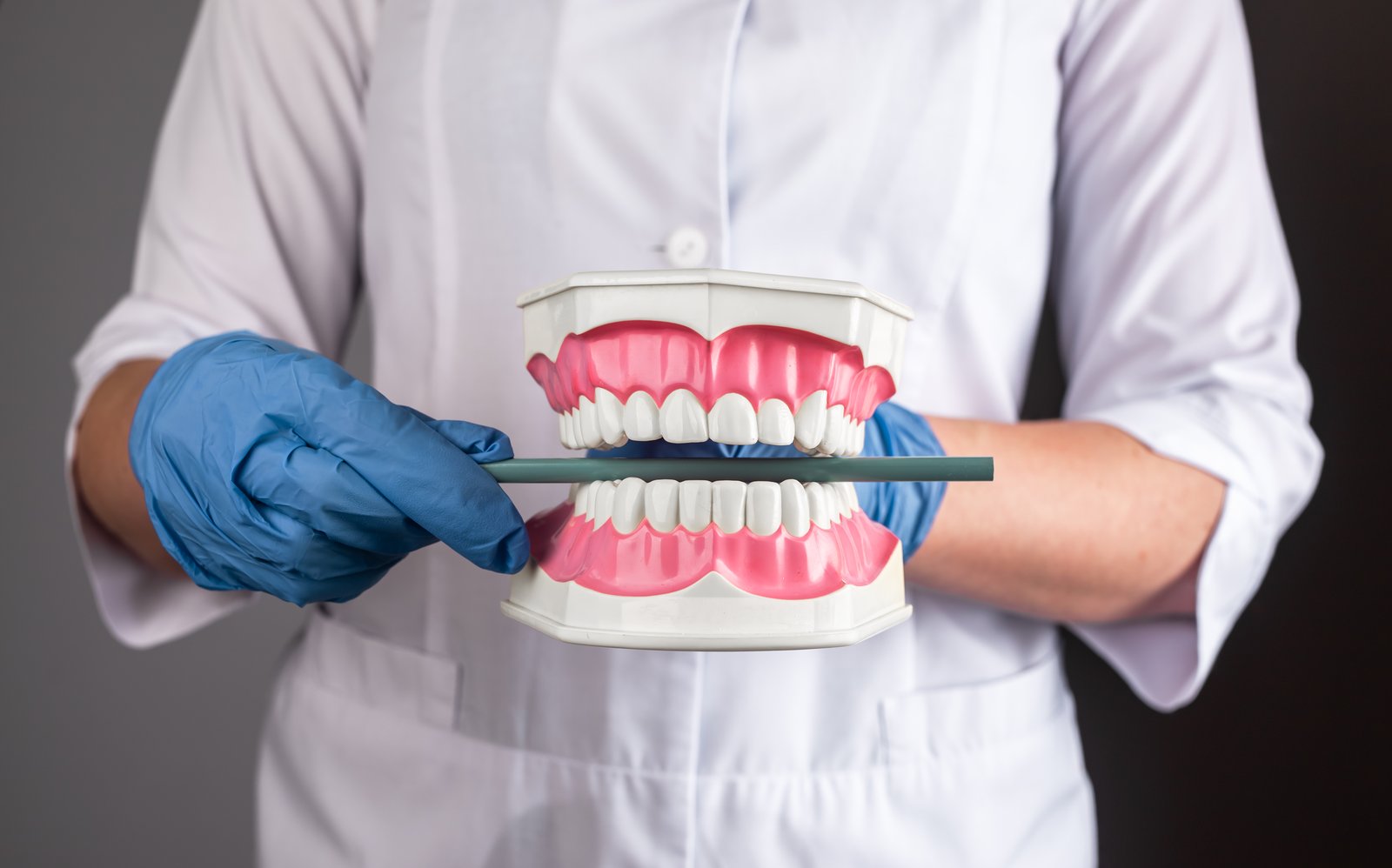
If you’ve ever wondered what happens if you don’t fix a bad bite, the answer is more serious than most people expect. Malocclusion is a dental condition where the upper and lower teeth do not align properly when the mouth is closed. Think of it like a door that won’t close right because the frame is off. Your teeth are designed to meet in a specific way, and when they don’t, problems start to add up.
A Board-Certified Orthodontist can identify malocclusion early and recommend the best option for your specific situation. The Board-Certified Orthodontists at Imagine Orthodontic Studio evaluate bite alignment as part of every free consult.
Malocclusion shows up in several forms. An overbite means your upper teeth stick out too far over your lower teeth. An underbite is the opposite: your lower jaw juts forward. Crossbites happen when some upper teeth sit inside your lower teeth instead of outside. Open bites leave a gap between your upper and lower teeth even when your mouth is closed. And crowding? That’s when there’s simply not enough room for all your teeth to line up straight.
According to the American Association of Orthodontists, the majority of people experience some degree of malocclusion. Some cases are mild and barely noticeable. Others cause significant functional issues from day one.
Here’s what many people don’t realize: even minor malocclusion tends to get worse over time. Teeth shift, jaw muscles start compensating, and wear patterns develop before you notice anything is wrong. A healthy bite distributes chewing forces evenly across all your teeth. When that balance is off, certain teeth take on more stress than they’re built to handle. Left alone, untreated malocclusion quietly creates damage that becomes harder and more expensive to fix with each passing year.
How an Untreated Bad Bite Damages Your Health Over Time
An untreated bad bite causes progressive tooth wear, TMJ dysfunction, increased cavity risk, digestive strain, and sleep disruption. These problems worsen over time as teeth shift and jaw muscles compensate for misalignment. Here’s how the damage unfolds.
Tooth Wear and Damage
When teeth don’t meet evenly, some teeth grind against each other more than they should. Uneven enamel wear is the result. Over months and years, you might notice certain teeth becoming flatter, developing chips, or showing unusual sensitivity. That damage is permanent. Enamel doesn’t grow back, so once it’s worn down, you’re looking at dental work to restore what’s been lost.
TMJ Dysfunction
Ever hear a click or pop when you open your mouth? Your temporomandibular joint (TMJ) connects your jaw to your skull. When your bite is off, the muscles controlling this joint work overtime trying to compensate. The result is clicking, popping, or grinding sounds when you open your mouth. Then comes chronic jaw soreness, and opening wide starts to feel like a chore. In severe cases, people develop TMJ disorders that make it genuinely difficult to eat comfortably.
What makes TMJ dysfunction tricky is that many people don’t connect their symptoms to their bite. They assume the jaw clicking is normal or that the soreness will go away on its own. It rarely does.
Increased Cavity and Gum Disease Risk
Crowded or crooked teeth create hiding spots for plaque and bacteria. Even with diligent brushing and flossing, it’s hard to clean teeth that overlap or twist. This leads to higher rates of tooth decay and gum disease. Your gums become inflamed, bleed easily, or start to recede. Over time, untreated malocclusion turns routine oral hygiene into an uphill battle.
Digestive Strain
Here’s one most people overlook. Proper chewing is the first step in digestion. When you can’t chew food thoroughly because your teeth don’t meet right, your stomach and intestines have to work harder. Some people with significant bite problems experience bloating, discomfort, or nutrient absorption issues that they never trace back to their teeth.
Sleep and Breathing Issues
Certain bite problems, particularly those affecting jaw position, contribute to mouth breathing and airway obstruction during sleep. This leads to snoring, disrupted sleep, and chronic fatigue. You wake up tired even after a full night’s rest, and the cycle repeats night after night.
Why Fixing Your Bite Now Pays Off Later
Correcting a bad bite protects your long-term oral health, reduces future dental costs, and improves daily comfort. It’s not just about straight teeth. It’s about preventing pain, protecting against costly repairs, and improving how you eat and sleep every day.
How Does Bite Correction Prevent Future Dental Costs?
Fixing alignment now stops the wear patterns that lead to crowns, root canals, and extractions later. Every year with a corrected bite is a year without the progressive damage an untreated bite causes. Think of it as protecting your teeth from expensive repairs down the road. At Imagine Orthodontic Studio, our team helps family members lock in these benefits with customized plans built around their specific needs.
Can Fixing Your Bite Improve Daily Comfort?
Many people find that jaw soreness, headaches, and neck tension disappear once their bite is properly aligned. The relief can be dramatic, especially for those who’ve been living with chronic discomfort for years without realizing their bite was the cause.
Beyond comfort, here are more reasons correction matters:
- Oral hygiene gets easier. Straight, properly spaced teeth are simpler to brush and floss, reducing your risk of cavities and gum disease.
- Bite problems can affect how you pronounce certain sounds. Correction often resolves speech issues that people have lived with for years.
- A well-aligned smile feels good. People notice when you smile more freely, whether it’s laughing at dinner without covering your mouth or grinning in photos without thinking twice.
The benefits compound over time. Prevention is always less costly and less invasive than damage control.
Treating a Bad Bite Now vs. Ignoring It: What the Evidence Shows
The choice between treating a bite problem now or waiting isn’t really about whether to treat it. It’s about what kind of treatment you’ll eventually need.
| Factor | Early Orthodontic Treatment | Ignoring the Problem |
|---|---|---|
| Treatment Duration | 12 to 24 months typically | Years of ongoing dental work |
| Primary Intervention | Braces or Angel Aligners | Crowns, implants, bridges |
| TMJ Outcomes | Prevention or early resolution | May require surgery in severe cases |
| Tooth Preservation | Teeth are preserved in most cases | Risk of extraction and replacement |
| Overall Cost | One-time investment | Recurring expenses over decades |
| Invasiveness | Non-surgical in most cases | Often requires surgical work |
At Imagine Orthodontic Studio, most cases fall in the early treatment column, with family members completing their customized plans within the 12 to 24 month range.
For children, the AAO recommends an orthodontic evaluation by age 7. At this age, an orthodontist can identify developing problems and sometimes intervene with two-phase treatment that guides jaw growth. This can prevent more involved treatment later.
Adults benefit too. Your teeth can move at any age. While treatment may take slightly longer than it would for a teenager, the results are just as effective. Many adults are surprised to learn that options like Angel Aligners make treatment more discreet than ever.
The pattern holds up across the board: orthodontic correction costs less and involves less work than managing years of bite-related damage. Untreated malocclusion doesn’t stay the same. It progresses, and the longer you wait, the more involved the fix becomes.
The True Cost of Ignoring a Bad Bite
Ignoring a bad bite leads to crowns (typically $800 to $1,500 per tooth), root canals, implants, and ongoing TMJ therapy. These expenses often exceed the one-time cost of orthodontic treatment. Orthodontic correction is a one-time investment in your health. The complications from an untreated bite? Those are recurring expenses that add up for decades.
Consider what happens when bite-related wear damages a tooth beyond what a filling can fix. You need a crown. Need a root canal first? Add more. If the tooth can’t be saved, you’re looking at extraction plus an implant or bridge, often several thousand dollars for a single tooth.
Now multiply that by every tooth affected by your bite problem.
TMJ disorders often require ongoing therapy, custom night guards, medications, and in severe cases, surgery. These costs frequently exceed what orthodontic treatment would have cost in the first place. Imagine Orthodontic Studio offers flexible payment plans with 0% interest financing, making it possible to start treatment without the financial stress of paying everything upfront. Most dental insurance plans also include orthodontic benefits that offset a significant portion of the cost.
Who Should Get Their Bite Evaluated?
Anyone experiencing jaw discomfort, visible misalignment, tooth wear, or difficulty chewing should have their bite evaluated by an orthodontist. Not sure if your bite needs attention? Watch for these signs:
- Jaw symptoms: Clicking, popping, or soreness when you open or close your mouth
- Chronic headaches: Especially tension headaches that start near your temples or behind your eyes
- Visible misalignment: Crowding, gaps, or teeth that clearly don’t meet evenly
- Tooth wear: Teeth that look flat, chipped, or worn down unevenly
- Difficulty chewing: Food that’s hard to break down or tends to get stuck
- Speech issues: Trouble pronouncing certain sounds clearly
At Imagine Orthodontic Studio, evaluations like these are part of every free consult.
For children: The AAO recommends every child have an orthodontic evaluation by age 7. This doesn’t mean treatment starts that early. It means problems can be identified and monitored so that if intervention is needed, it happens at the right time.
For adults: If you’ve noticed your teeth shifting or any of the symptoms above getting worse, it’s worth getting checked by a Board-Certified Orthodontist. Many adults assume they missed their window. That’s simply not true. Orthodontics is for everyone, and your teeth respond to treatment at any age.
Frequently Asked Questions About Untreated Bite Problems
Can a bad bite fix itself over time?
No, malocclusion doesn’t improve on its own and typically worsens with age as teeth continue to shift. The wear patterns from a bad bite speed up this progression. Without intervention, the problems compound. Early treatment prevents this cycle from taking hold.
Is it too late to fix a bad bite as an adult?
Not at all. Orthodontic treatment works effectively at any age, and many adults are choosing to correct their bites now with options like Angel Aligners that fit into busy lifestyles. The only real difference is that adult treatment may take slightly longer than treatment during adolescence.
Can a bad bite cause headaches?
Yes. When your bite is misaligned, your jaw muscles strain to compensate. This chronic muscle tension radiates to your temples, forehead, and neck, causing tension headaches. Many people report significant headache relief after bite correction. If you experience frequent headaches alongside jaw discomfort, your bite is worth investigating as a root cause.
How long does it take to correct a bad bite?
Most bite corrections take between 12 and 24 months, depending on the severity of the malocclusion and the approach used. Some mild cases resolve faster. Complex cases involving jaw positioning may take longer, and your orthodontist will give you a realistic timeline during your free consult.
Does insurance cover bite correction?
Many dental insurance plans include orthodontic benefits that cover a portion of costs. Coverage varies by plan, so it’s worth checking your specific benefits. Imagine Orthodontic Studio accepts most insurances and offers 0% interest financing to keep your customized plan within reach.